


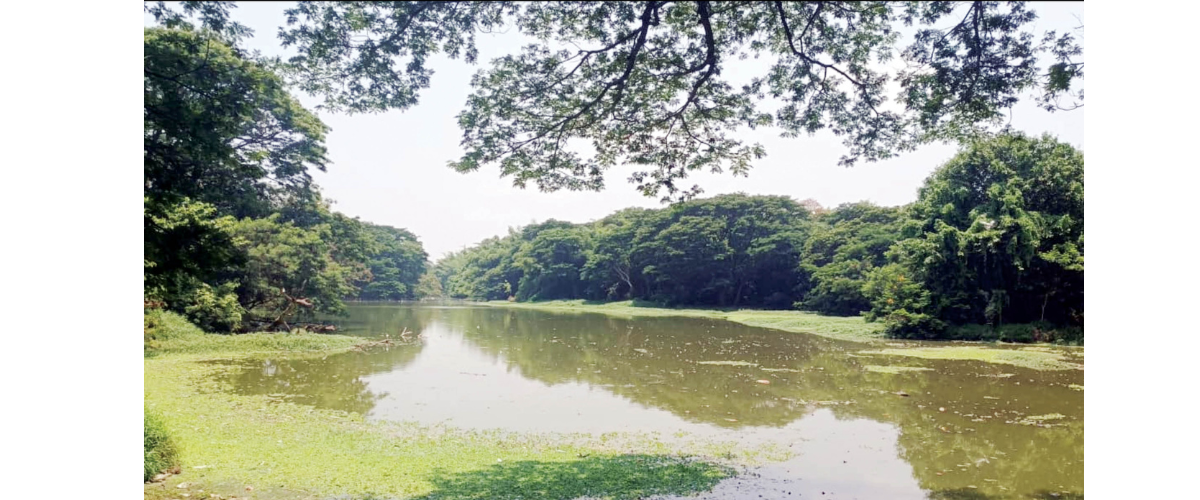
Mysuru: Mysuru’s famed Karanji Lake, once renowned for its pristine waters, rich greenery and thriving birdlife, is facing a serious ecological threat as unchecked sewage inflow continues to pollute the waterbody.
What was once considered one of the city’s most treasured tourist attractions and biodiversity hotspots is increasingly turning into a sewage reservoir, triggering concern among environmentalists, birdwatchers and local residents.
Spread across nearly 90 acres adjacent to Mysuru Zoo on Mysuru-Nanjangud Road, Karanji Lake has been receiving untreated sewage and underground drainage (UGD) water through Siddarthanagar stormwater drain for several years.
The continuous inflow of contaminated water has significantly deteriorated the lake’s water quality, posing a threat to aquatic life and the diverse species that depend on the ecosystem.
Stormwater mixes with sewage
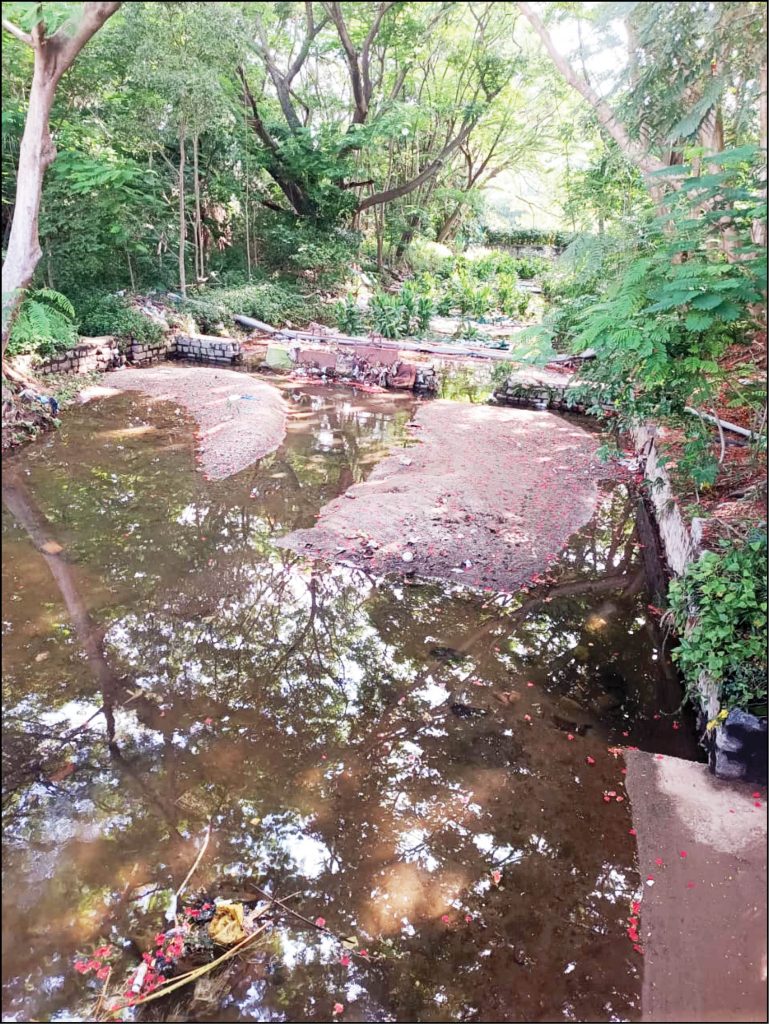
The situation has worsened with the onset of recent rains, as stormwater mixes with sewage before flowing directly into the lake. Large portions of the waterbody are now covered with polluted, foul-smelling water.
Efforts to treat the sewage before it enters the lake have yielded little success. Treatment units installed at the canal’s entry point are reportedly functioning ineffectively, filtering little more than floating plastic waste.
During summer, when water levels recede, heaps of discarded liquor and plastic bottles become visible along the lakebed, highlighting the extent of pollution. Adding to the problem, overflowing manholes in surrounding localities continue to discharge contaminated water into the drainage network feeding lake.
Declining migratory birds
Karanji Lake has long been a paradise for bird enthusiasts, with more than 147 bird species recorded over the years, including Pelicans, Painted Storks, Open-billed Storks, Cormorants and Herons.
However, regular visitors and conservationists say migratory bird sightings have declined, while populations of other fauna such as butterflies, snakes and several wetland-dependent species are also under stress.
Environmentalists have termed the direct discharge of sewage into the lake both unscientific and environmentally damaging. They have urged authorities to immediately divert sewage away from the water body and implement a long-term restoration plan to revive the lake’s ecological health.
“This problem has persisted for years. Earlier, we fought successfully to prevent sewage from entering the lake, but now the issue has resurfaced. Just as citizens have come together to save Kukkarahalli Lake, a similar movement is needed to protect and restore Karanji Lake,” said Bhamy V. Shenoy, Founder, Mysore Grahakara Parishat (MGP).