

By Ragoo Rao
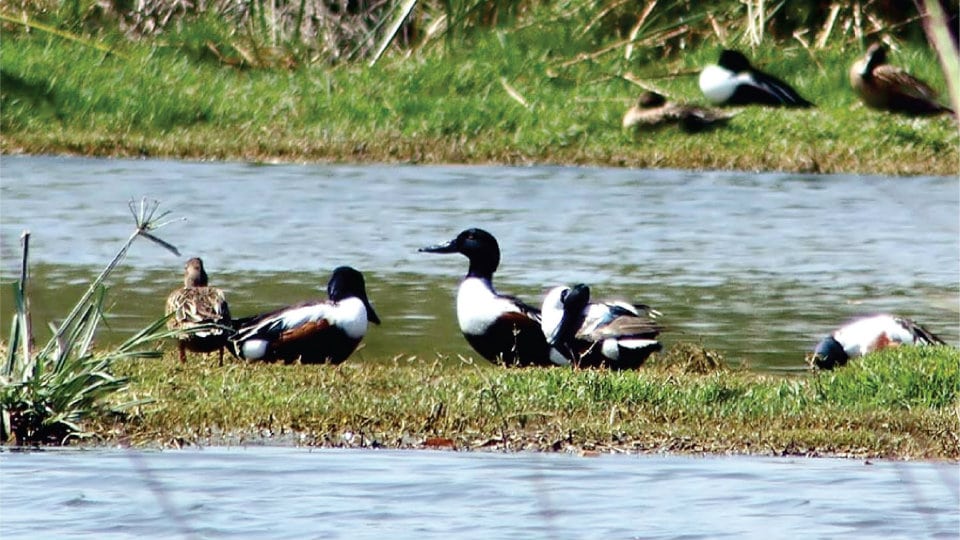
Karanji Lake, one of the oldest and natural lakes of Mysuru city, fondly called as “Karanji Kere” by the locals, is a water body formed by the topographical advantage it has. Having vast expanses of catchment area, like the foot of Chamundi Hill, the vast meadow space of the Karanji Mansion — The Erstwhile Mysore State’s Yuvaraja’s Mansion, Chamundi Vihar Mansion area and the abundant catchment area of the Lalitha Mahal Palace and the Kurubarahalli village surroundings, had all the advantages of being filled and replenished by the areas serving as a catchment area. The catchment area of a lake is a vital requirement to keep any lake filled and replenished by the rains. Sans this, the Lake starts dying, and takes the flora and fauna dependent on this water body along with it. It turns into a sick and dying eco-system. Fortunately, for us Mysureans and the Lake’s dependent flora and fauna, the lake was taken over by the Sri Chamarajendra Zoological Gardens. The Zoo management efficiently restored the Lake and stopped all vandalisms against the watebody. It was very fortunate; the Zoo management was led by a person with good management skills of captive animals, assisted and supported by the committed staff. The ambitious Project Tiger also happened at that time and awareness and need for wild life & environment management and conservation took priority and became active. Thus was born the Karanji Lake Sanctuary. The flora and fauna were not only protected but they were also restored to their pristine conditions. The Chamarajendra Zoological Gardens, more fondly called as Mysore Zoo, proved what a committed management with vision in the right direction, with no vested interests could do. The lake today is the living proof for that “Where there is a will… There is a way.”