

By Girija Madhavan
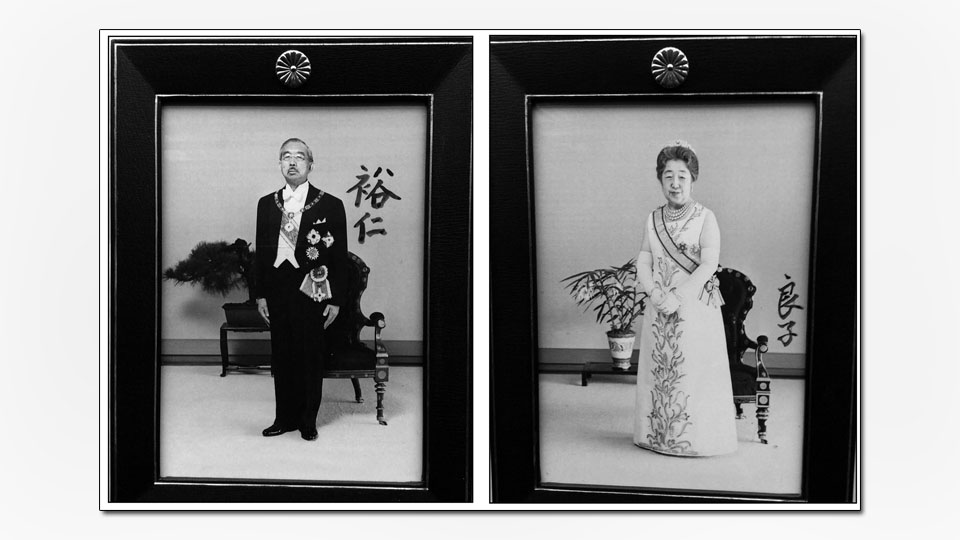
On June 9, 2017, the Japanese Diet enacted an Abdication Law, called a “Single Use Law,” to enable Emperor Akihito to abdicate for reasons of health and age. The “Chrysanthemum Throne” will then pass on to Crown Prince Naruhito. The dynasty goes back to 1300 years. Legend claims that the rulers are the descendants of Sun Goddess, Omikami Amaterasu and were considered divine. After 1945, Japan became a democracy with a Constitutional monarchy. My husband was posted as Indian Ambassador to Tokyo from 1985 to 1988. This was during the reign of Emperor Hirohito, called the “Showa” period (1926-1989). Hirohito, the 124th emperor, led Japan from peaceful progress to defeat in the Second World War after the atomic bombs on Hiroshima and Nagasaki. Yet Hirohito was venerated by his people. Emperor Akihito, his son, and Empress Michiko are popular for their interaction with the people and meeting survivors of disasters like Tsunami. We had a formal audience with Emperor Hirohito. We went early to be briefed on etiquette by Palace Officials, who wore, not kimonos, but classic English Tails and striped trousers. We entered the room where the Emperor sat, advanced three steps, bowed and we took our places on gilded chairs. A soft-spoken man, he asked questions of general interest, initiating the conversation. Then, on a cue from the courtiers, we got up, took three steps backwards, which made me nervous about tripping over my sari, turned and left.