


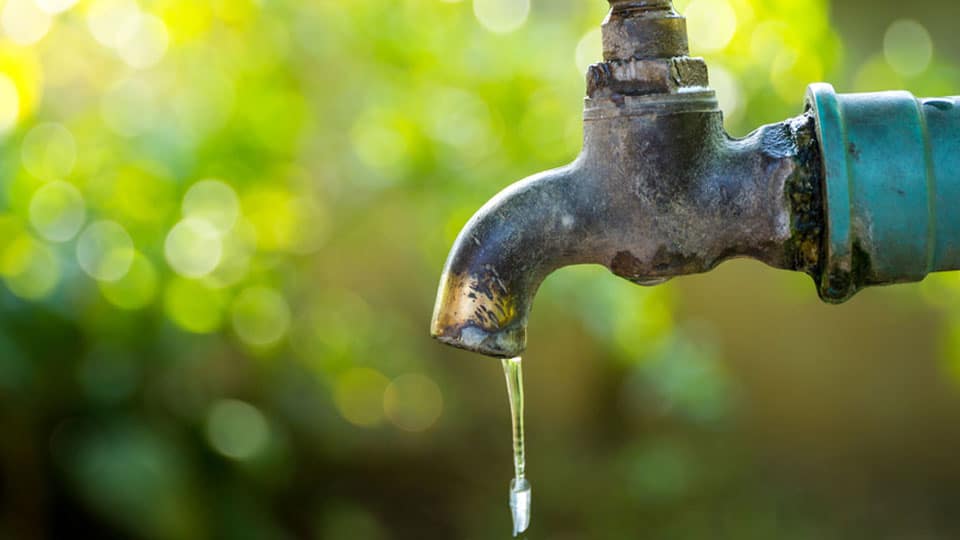
The feature of exploring possibility of life on the nearest to earth planet, Mars, focussing on water as well as oxygen in its atmosphere seems to have not been bestowed adequate attention to these two life-supporting gift of nature on earth, may be because of its presence in abundance. Facts such as 75 per cent of earth’s surface is covered by water, major reservoirs can each store millions of litres of water, Karnataka State has 36,000 lakes, water for drinking as well as culinary needs at the rate of 160 litres per person daily is pumped at enormous cost (about 20 rupees per 1,000 litres in some cities) and big effort through infrastructure of heavy duty pumps as well as electric cables and so on don’t make any impression on most urbanites, including the literate sections among them. Even as water is bestowed media glare every year at the start of summer season, as in Mysuru through multi-column headlines in dailies, along with data on water levels in the major reservoirs as well as inflow and outflow, followed by advisory by the civic authorities to avoid wasteful use of water, urbanites don’t seem to be sensitive to the impending water crisis, their own creation. Reports of the official machinery’s apathy to keep track of water-supply lines free from leakage make disturbing read.
The issue of sharing river waters by riparian States according to agreed formulae continues to remain unresolved in all regions of the country, often leading to disturbing law-and-order scenario, as between Karnataka and Tamil Nadu. Urbanites who have taken flow of water in the taps of their dwellings for granted will do well to empathise with people in 154 taluks out of 175 in Karnataka facing severe drought year after year. Not heeding the plea of civic authorities to be frugal in consuming water by city residents is unpardonable.