


By N.K.A. Ballal, Retd. Sr. Vice-President, ITDC
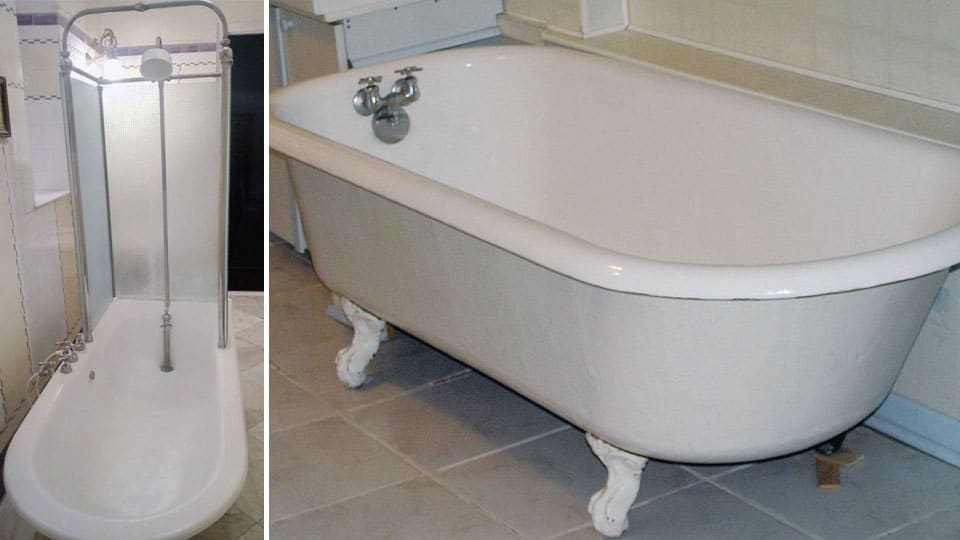
The bathtub is in the news all over the electronic and print media for wrong reasons. But it is also true that death in a bathtub is not uncommon. If one recollects, actress Sridevi must have made millions posing in a bathtub for Lux advertisement and ironically met her tragic end in a bathtub! It is also a fact that these bathtubs, once considered a hallmark of luxury, slowly but steadily, is losing its sheen and being phased out from a lot of international hotel chains like Marriotts and Hiltons. Even our own Ministry of Tourism, responsible for fixing the guidelines for star classification, is considering removing “bathtubs” as an “essential” item for 5 star hotels in future. History of bathtub: In 3,300 B.C. Indus Valley Civilisation, copper pipes were excavated giving an indication that maybe bathtubs existed even then. In the Isle of Crete, a bathtub made of clay was found, measuring about 1.5 meters, during excavations. Early bathtubs were made of cast iron and even copper in some cases and painted; very popular in Europe and England among the aristocrats. A Scottish born inventor, David Buick invented the process of putting porcelain enamel on cast iron bathtubs in 1880s while working for a company in Detroit. Bathtubs became a symbol of the royalty and the rich. There are basically two types of bathtubs, the western style in which one reclines and the deep bathtubs in which one has to sit down. These are known as “Ofuro” in Japan. Nowadays bathtubs are manufactured by using fibre glass, which is much easier to maintain and lighter too. Since it was considered a luxury item, client would experiment on shape, colour and size.