


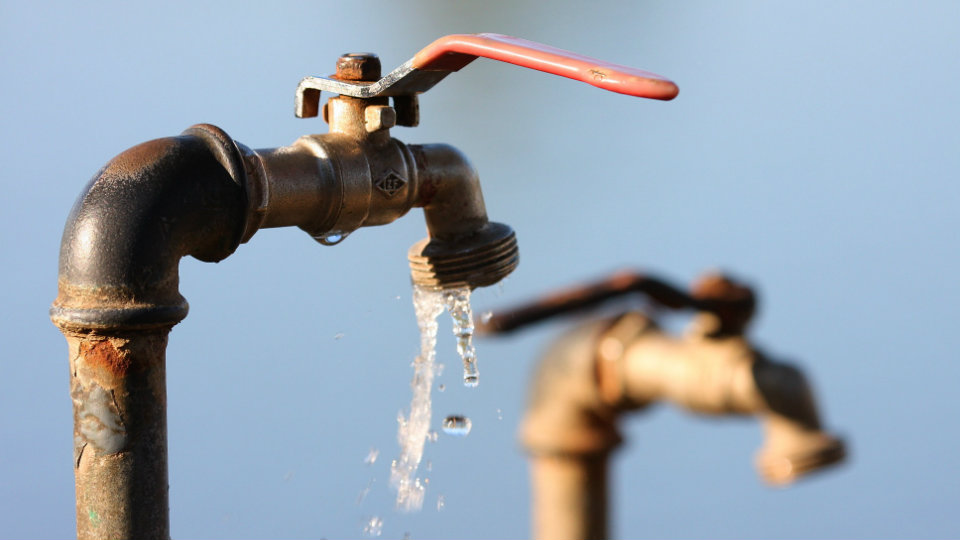
The fact that three-fourths of earth’s surface is covered by water doesn’t in any way take away the importance bestowed on water, particularly its potable quality. Space exploration reports highlighting the feature of human ingenuity in making the two-way trips to Moon and Mars fail safe and also emphasize the presence of water as well as air quality as close to their feature on earth. While India’s headcount has touched the level of 18 percent of world’s total population, all sources of water in the country contribute only four percent of world’s total stock of water, potable as well as non-potable, the latter comprising untreated water from rivers, lakes, springs, groundwater, untested wells and others. Although tap water, accessible at the turn of the faucet, is invariably treated for its safety to drink, there are times when the elixir of life is contaminated, drinking of which results in health disturbances such as sore throat, cholera, nausea and other disorders, from causing death of children in particular. Not many householders are aware of the enormity of efforts and the infrastructure involved in supplying piped water, not to forget the actual cost per litre of safe drinking water being many times of the charges levied by the civic body, including that of Mysuru.
Ensuring water supplied by the urban local body conforming to norms is debated in various circles mainly to point the accusing finger at the authorities forgetting the lax outlook of lay public towards water marked by profligacy in water usage, far outstretching the prescribed 160 litres per citizen as the limit in daily use. Maybe, if even urbanities had to draw water from wells, as was the practice until several decades ago, they would have exercised their responsibility of conserving water.