

By Gouri Satya, Senior Journalist
The outbreak of Coronavirus across the countries has led to radical measures like curfew, lockdown, and isolation to fight against the dreaded COVID-19. But such deadly outbreaks were not uncommon and they took a heavy toll of human lives, let alone the loss of cattle. How these outbreaks were fought is worth gleaning through the historical records, particularly at a time when medical science had not advanced as we see today and medical facilities were almost lacking or primitive over a century ago.
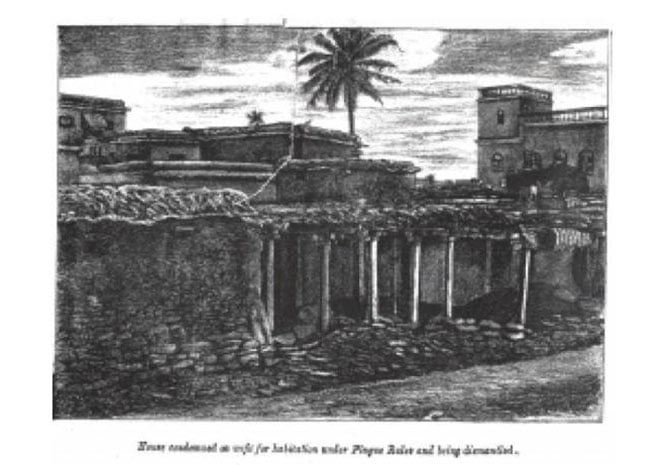
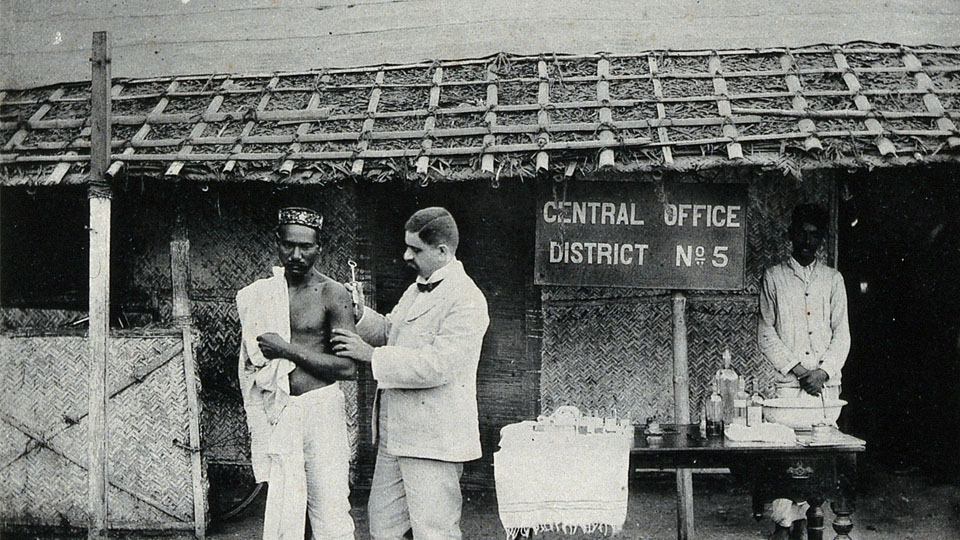
The Bubonic Plague of 1896, for example, had its origin in China like the present COVID-19 and spread to many countries, causing an unimaginable loss in those countries including India. In China alone, thousands of people lost their lives. In India, which was under the British regime, brutal measures were adopted and quarantine camps and hospitals were set up hurriedly. Affected people lost their property when their houses, food, and clothes were burnt to prevent infection from spreading, resulting in chaos and anger among the people. When the toll began to rise, there was panic all over. By the end of 1906, the loss of human lives was as huge as ten lakh.
Then Mysore State was no exception and the epidemic, breaking out in 1898 and lasting for nearly three years, wrought havoc among the lives of the people. By the end of June 1904, it had claimed 1,06,950 victims in the whole of Mysore State after affecting as many as 1,41,403 people. In other words, 2.5 per cent of the population was attacked by the plague, and of those attacked, nearly 76 per cent had died.