

By Girija Madhavan
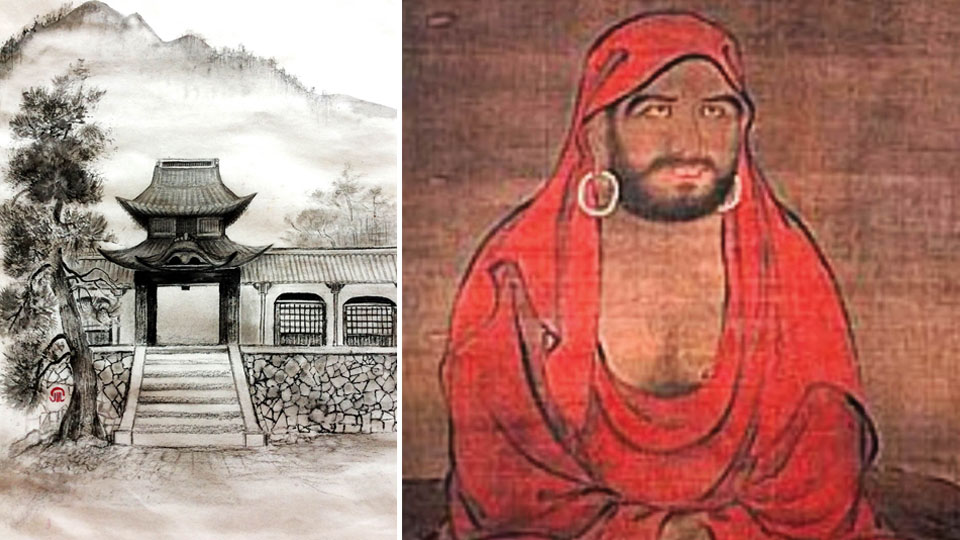
High in the mountains above the Sea of Japan , amidst lofty cedars is the “Eihei-ji Monastery” or “Temple of Eternal Peace” in Japanese. It is in Fukui Prefecture. Under curving tiled roofs and in timbered halls, the “Soto” school of Zen Buddhism is practised by the monks who live there. During our posting in the late 1980s in the Indian Embassy, Tokyo, my husband and I travelled to Fukui from Tokyo. The highlight of the trip was a visit to the “Eihei-ji” Monastery, about 15 kilometres from that city. We were accompanied by Kiyoko-San, a young woman interpreter in our Embassy. She spoke good English and dressed fashionably, sometimes in the outré style of “Harajuku” . Later, as she translated our interactions with the Abbots of Eihei-ji, we found a deep, insightful side to her character, belied by her stylish appearance. Buddhism was taken from India to China by “Bodhi Dharma,” a monk who lived in the 5th or 6th century AD. The teachings spread to Korea and thence to Japan. In Japan, Bodhi Dharma was known as “Daruma.” One legend is that he came from the “Western regions,” the third son of the Pallava king of Kanchipuram in South India. In Japanese paintings he is depicted with a beard and large eyes.