

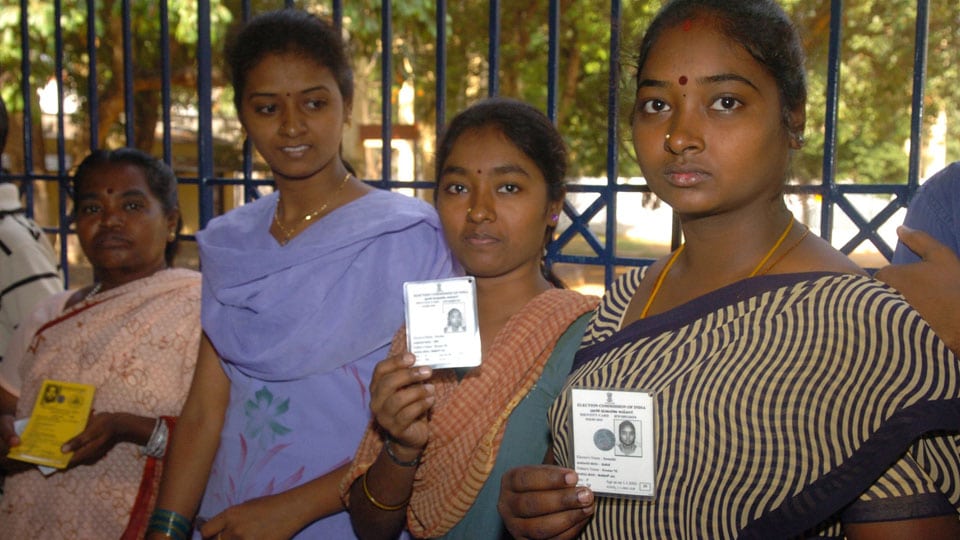
The nation’s Parliament is heading to be a reality for the 17th time in a span of seven decades. Its 543 members-to-be have presented themselves before the electorate mass of about 900 million eligible voters. Two nominated members, to represent the Anglo-Indian section of the country’s population, are to make up the total membership of the august House as 545 for the next five years from June this year. The message conveying the factor of sacredness of exercising the right to vote for electing their representatives by the eligible voters to the different law-making bodies of the democracy has been bestowed publicity on a scale witnessed at no time before.
The Election Commission of India, commonly mistaken as one of the arms of the government, is an autonomous Constitutional authority responsible for administering election processes in the nation to its Lok Sabha, Rajya Sabha, State Legislative Assemblies and Legislative Councils, Offices of the President and Vice-President. The Commission functions under the authority of Constitution with powers to act in an appropriate manner to deal with a given situation in the conduct of elections. The model code of conduct symbolises not only the do’s and don’ts that those aspiring to represent people are required to comply with but also the appropriateness of the Commission’s measures to deal with the situation created by those crossing the Lakshman Rekha as it were, thus sullying the sacredness of voting.