


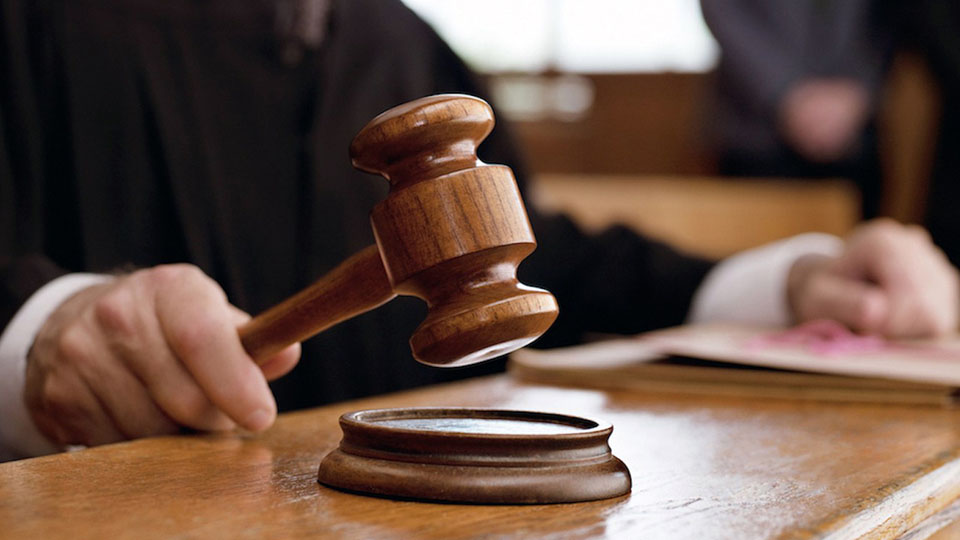
The country’s judiciary has just tended to be featured in the media to an unprecedented extent, mostly for all wrong reasons. While the cancer of corruption in the circle of judges from the lowest courts across the country to the highest court namely the Supreme Court of India is talked about publicly in hushed tones, the feature of inordinate delays in hearing the law suits and delivering judgements, even in criminal cases such as rape and cold-blooded murders seems to have robbed the land’s judiciary of its respectability, trust and impartiality, not to forget transparency in court proceedings. The number of law suits of all types pending in the system has reportedly crossed three crores and counting. In addition, the country’s prisons are hosting undertrials out-counting the convicts threefold or so. The saying Justice delayed is justice denied, attributed to the British Statesman and former Prime Minister of United Kingdom William Ewart Gladstone (1809-1898) and the related view of British writer and advocate of democracy William Penn (1644-1718) namely To delay justice is injustice briefly yet comprehensively portrays the pitiable plight of the litigants, may not be of the criminals with charges proven.
The urban literati too suffers from illiteracy of both the laws of the country and the nuances of court procedures. Further, the rural sections of the country’s population, accounting for more than 60 percent of the total headcount face the obstacle of literacy in general, not to speak of literacy of law.