

By Dr. Bhamy V. Shenoy, Oil Industry Expert
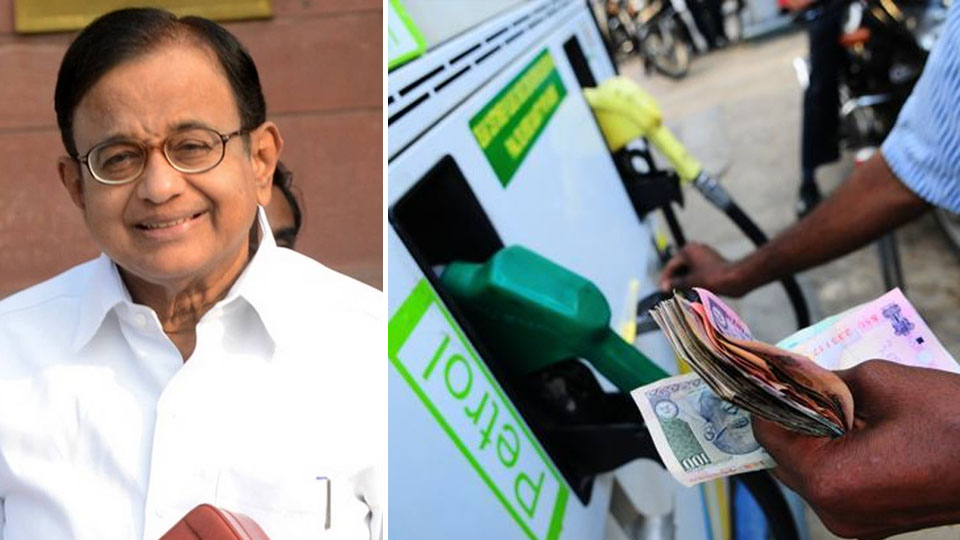
Under UPA, when crude oil prices averaged $132 per barrel in July 2008 (it was during that month Brent reached a historic high of $147/b) petrol price was just Rs. 50.62 per litre. Today when oil price is around $80/b, petrol price has reached a high of Rs. 76.57 per litre in Delhi. On the surface it looks like Prime Minister Narendra Modi has been citizen unfriendly. No. Natural for anyone to think that when international prices have fallen (by $52/b, 2008 versus 2018), petrol prices in India should also fall. But it has not. It is this simplistic, non-expert thinking which must have impelled or provoked the former Finance Minister P. Chidambaram to tweet that Modi can easily cut petrol price by Rs. 25. However, when we analyse the factors behind the petrol price movement, one will wonder how a responsible leader can mislead the country. It is shocking. NDA was lucky that soon after it came to power oil prices fell. It wisely decided not to pass on all the benefits to consumers. It increased excise taxes on petrol in small doses from Rs. 9.48 per litre to current rate of Rs. 19.48 per litre and for diesel it was from Rs. 3.56 per litre to 15.33 per litre. Chidambaram must be aware that under his government policy the public sector oil companies (Indian Oil, Bharat Petroleum and Hindustan Petroleum) were bleeding. He must also be knowing that their irrational pricing policies forced private sector oil companies like Reliance, Essar and Shell to close down their thousands of stations. Their stations were far more efficient than the ones operated by the public sector giants. In addition, the so-called “under recoveries” (in simple term losses) by the public sector companies were reaching stratosphere. In 2012-13 under recoveries of public sector oil companies was mind-boggling Rs. 1.6 trillion.