


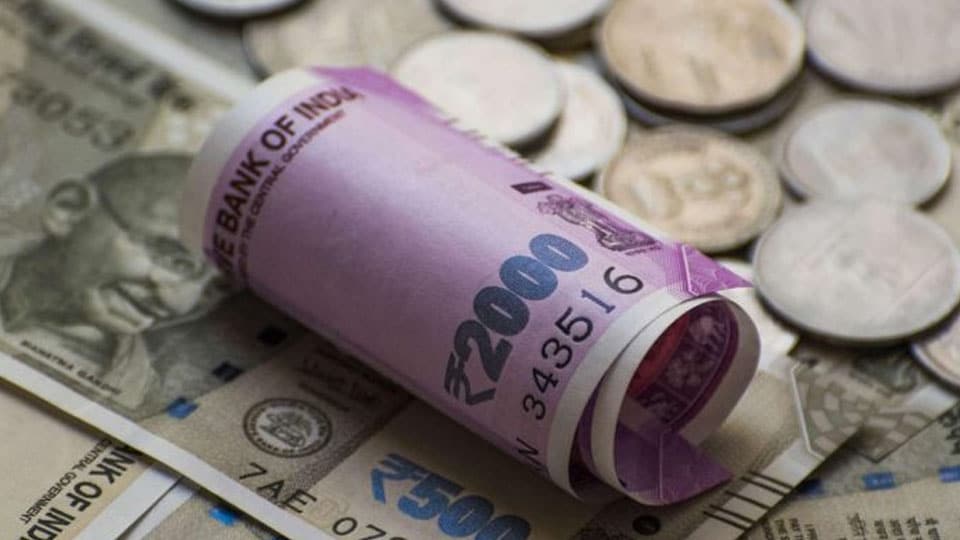
Splurging public funds by the Governments of the day both at the Centre and in the States across the country seems to have not been bestowed the concern that is imperative for all time, especially so in the present situation of rising fiscal deficit (reflecting the amount of cash that the Government owes to its creditors, majority of whom are citizen who have deposited money in banks and other financial institutions such as Credit Co-operative Societies) as well as current account deficit (reflecting the yawning gap between earnings through exports from the country and import bill). India’s ancient economist and royal advisor Vishnugupta (371 BC - 283 BC), also known by the names Chanakya (with nickname Indian Machiavelli, the Italian strategist) and Kautilya, as the author of the treatise Arthashastra is credited with laying down the ground rules of managing public funds, a major part of the task of governing the land and its people for economic stability and social harmony to ensure prosperity of the land.
Our ancestors are often invoked by their present day cohorts, the elders in society, by referring to their principle of keeping a close vigil on spending money earned by honest means, avoiding extravagance, the behaviour of spending more money than one needs to. That principle doesn’t seem to have many takers in the matter of managing both public funds by Governments and personal earnings by people at large.