

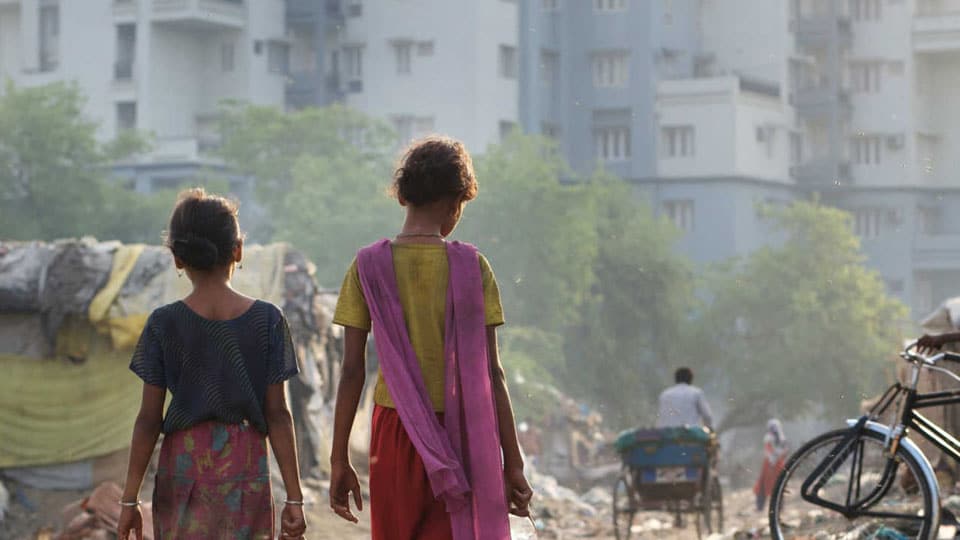
The head of a division in a global institution pursuing the cause of populations bugged by pesky poverty wrote in his article published in a widely circulated daily that inclusiveness was the key to ending poverty permanently. He also remarked that in May 2018 India lost its unfortunate title of being the nation with largest number of poor people (without indicating which country got the dubious top billing). One is left confused whether the term poverty or the title earned the distinction to the country. Economic inclusiveness may be theoretical possibility in the backdrop of many measures launched in the country such as (a) National Rural Employment Guarantee, (b) Loan-waiver for farmers, (c) Pension for senior citizens working in unorganised sector after crossing the age of 60 years, (d) Interest-free loan to those engaged in vending articles of daily needs on the street sides to free them from the jaws of greedy money-lenders and so on, but social inclusiveness is in a different class given the time-honoured complex nature of India’s diversity marked by its caste system in a rigid hierarchy. Poverty only mocks at this feature of India’s diaspora.
The phenomenon of poverty has figured in the narratives of the land’s epics as well as the stories by authors in various languages virtually prompting people to treat it lightly, unmindful of the trials and tribulations torturing the victims beyond words. Governments have to bear the brunt of the complaint by citizens for addressing the issues squarely.