

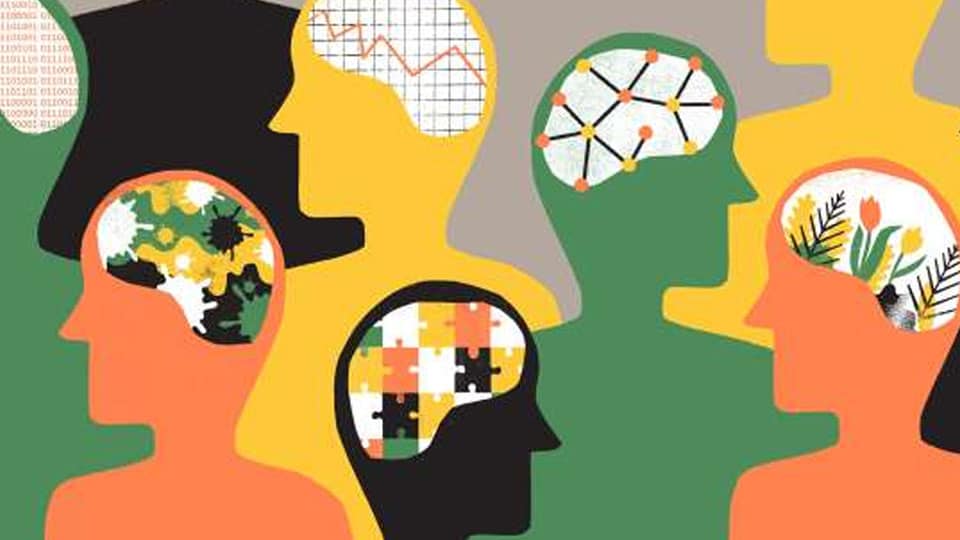
The idiom The child is the father of man, originating from a poem scripted by the English poet William Wordsworth (1770-1850) in 1802, exclaiming the role of man behind the birth of a child has been interpreted in various ways. Its implication that the behaviour and manners of a person during childhood have a bearing on his personality in adulthood is conceded as valid under certain conditions. However, the fact being that a child can never produce a man has prompted some analysts to remark that the idiom is paradoxical, although it has a message that is hidden therein. The conduct of a child indicates what he will become when he grows up. An adult is the product of the habits, manners and behaviour that he inculcated during childhood. It is in this backdrop, granting that what a child learns and assimilates will be reflected in his words and works in later life, particularly forming good habits, that the prescription of getting guided in life by an ideal role model has its importance, in the matter of living a life of discipline and become an achiever in a chosen calling.
Moving from the home space where the child learns by imitating others, the school space serves as the crucible for distilling habits harmful to society to virtues enabling the man to rise to the profile of an asset to the nation. But, in today’s humdrum existence, one has to fall back into past times to land that ideal role model.