


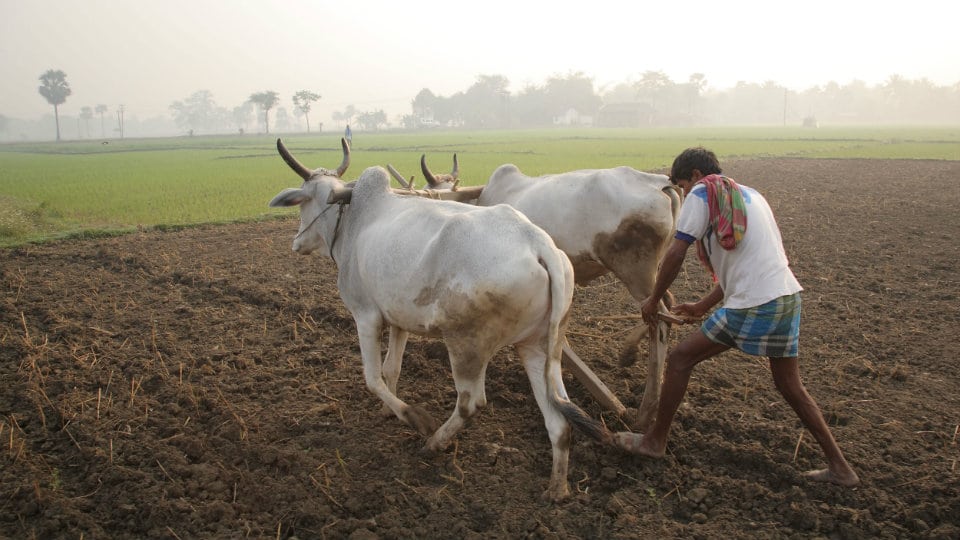
The Green Revolution that happened in the country during the decade of 1960s has just been subjected to scrutiny in some informed circles. The verdict that the field practices defining the landmark event, although it changed the nation’s position from being an importer of food grains to one of a net exporter in a short span of time, are not sustainable in a long-term did come like a bolt from the blue as it were. Even Punjab and Haryana, traditional wheat growing regions, taking to rice cultivation with unquestionable claim to be glorified as the nation’s granary, have reportedly witnessed near-crisis-like situation of steep decline in their soil health, the reason being overdose of chemical fertilisers. While the proverbial clock can’t be put back, reversing the damage done to the soil of the above regions is a long process, if at all.
The compulsions of adopting the so-called modern agri technologies drawn from the Western part of the world to achieve substantial increase in productivity of the soil cannot be dismissed for the simple reason that the country’s food basket has to be filled consistently with the burgeoning population.