

By Dr. Devdutt Pattanaik - Author, Speaker, Illustrator, Mythologist
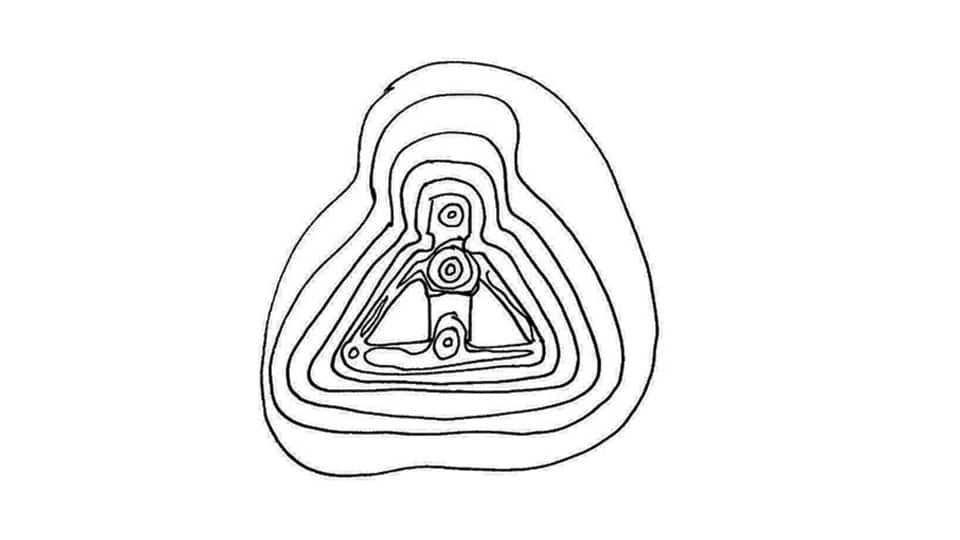
In the Mimansa school that became popular 2,000 years ago, the Rig Veda was considered ‘apaurusheya’ (not of human origin) and ‘ekavakya’ (a single sentence), with no breaks between words and no punctuations. Sounds (pada) fused to create words (shabda) which merged with other words (sandhi) which gave rise to verses (richa) which became hymns (sukta) which gave rise to circles of songs (mandalas) which became the entire collection (samhita). But thanks to subjects collectively known as Vedanga (limbs of the Veda), we know the words — how to pronounce them (Shiksha), what they mean (Nirukta), the grammar (Vyakarna), the meters (Chhanda) and how they were used in ceremony (Kalpasutra).