

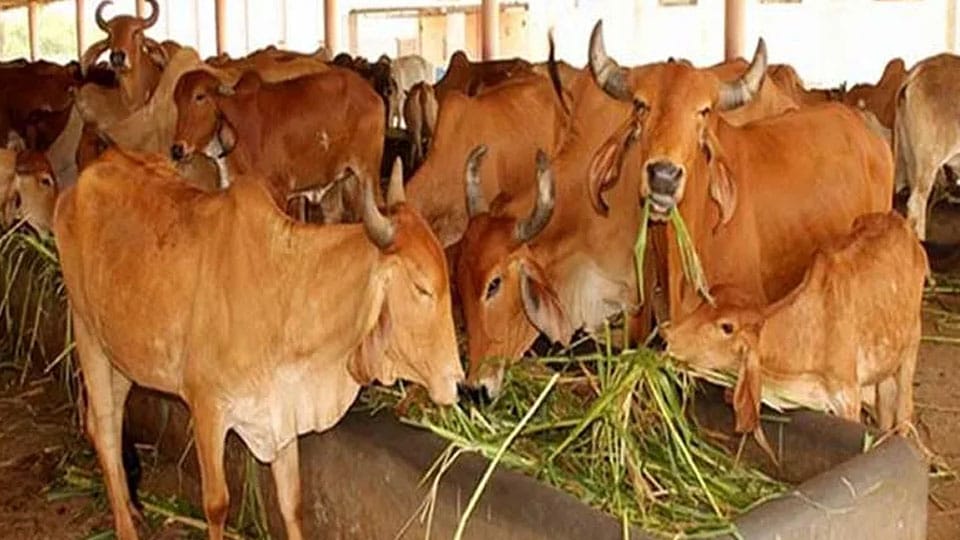
Milk production in India, reportedly more than 180 million tonnes a year, has earned the country top place among the few countries producing milk in large quantities. Mechanical engineer by training, late Verghese Kurien (1921-2012) and his team are credited with transforming the traditional grossly unorganised milk production and sales of milk in the country into a highly organised industry, making Amul across India and Nandini in Karnataka as bywords for good quality milk and the multitude of tongue-tickling products made of the white gold. Although cows far outnumbered buffaloes in the country, the latter species accounted for more than half of the total quantity of milk produced in the land until the exotic breeds such as Jersey, Holstein, Red Dane and others came on scene in a big way, because of their capacity to produce milk many times more than the indigenous breeds such as Hallikar and Malnad Gidda of Karnataka, virtually leading to disfavour of these latter breeds by players in the sector. Now that some voluntary agencies, including a few spiritual institutions are prompting adoption of indigenous breeds for many therapeutic qualities of their milk and other bio-products, they may not face extinction in foreseeable future.
The issue of cow slaughter raged for a few years before the fury of protagonists, including the late Pejawar Swamiji, tapered off over time. Even as voices are raised to totally ban cow slaughter in public domain on and off, milk production is gaining pace bringing prosperity to the members of co-operatives in the milk sector of the economy.