
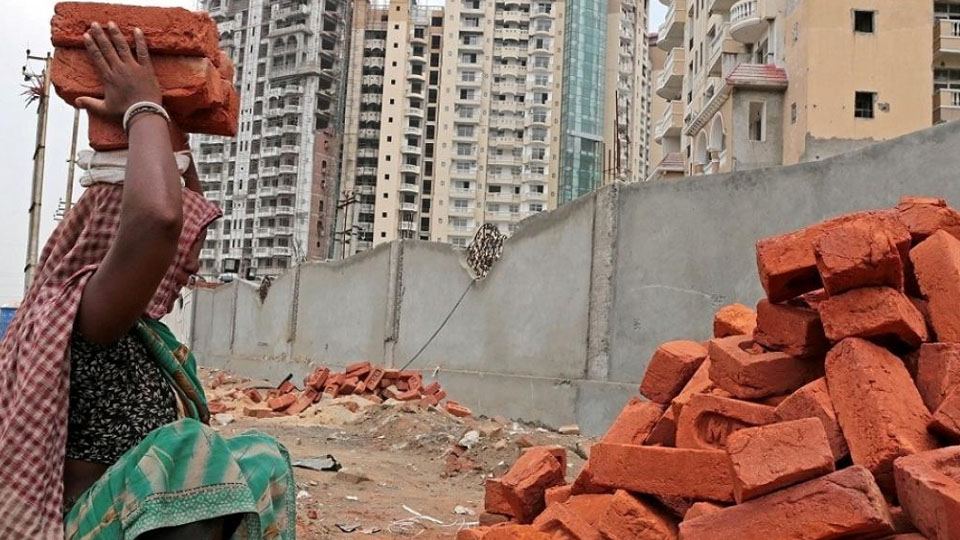
Given the complex mix of identity that the currently estimated population of 140 crore people come under their social, economic, ethnic, linguistic and so on, the term diversity to portray that mix in families, communities and the nation as an entity would amount to oversimplification of the contemporary scenario, even grossly inadequate to know the reality. One doesn’t need to take a tour of the different regions of the country to become aware of the depth and width of the range of the aforementioned features (social and others) that India’s diaspora wears on their sleeves. Thanks to the many facilities of travelling and communicating in great comfort and at unprecedented pace, nobody is compelled to remain static in his or her so-called native place. The term nativity seems to apply in case of rustic population and forest dwellers. While the country’s densely populated cities such as Bengaluru, Mumbai, New Delhi and so on each gives one the image of India that is complex on many counts in the entire range between the affluent and the utterly poor. In a certain sense, Mysuru too has residents in the mix and complexity.
Driven by the flow of capital that the entrepreneurs command as they set shop in Mysuru and other cities of its socio-economic class, a number of features that endured for long until not too past days, include the city’s skyline, behaviour of people in public domain, foods offered by hotels and even roadside eateries, density of motorised vehicles, rentals of houses and so on.