

Economic slowdown in the country is being talked about in tones of despair in some camps of the knowledgeable and voices of hope from the top brass in the Government. Public memory is seen as short-lived but not short enough to recall the incumbent Government at the Centre hopeful of eight percent higher growth of the nation’s Gross Domestic Product (GDP), the major barometer of the country’s economic health, compared to the financial year 2018-19. That was the task set for all the sectors of the economy, particularly the eight constituents of the core sector. The downward journey of that index was first hinted at by the World Bank, followed by other global agencies such as International Monetary Fund (IMF). Readers of columns of the dailies presenting news and views about the status of finances at the command of the Government learnt about the officials in Finance Ministry putting a bold front by quibbling with figures of GDP growth’s annual rate below 7.5 percent first and later falling below 5.0 percent as of now. Lay people may not fully understand the view of some experts reasoning the slow down to considerable reduction in consumption of goods produced in the country, automobiles figuring prominently.
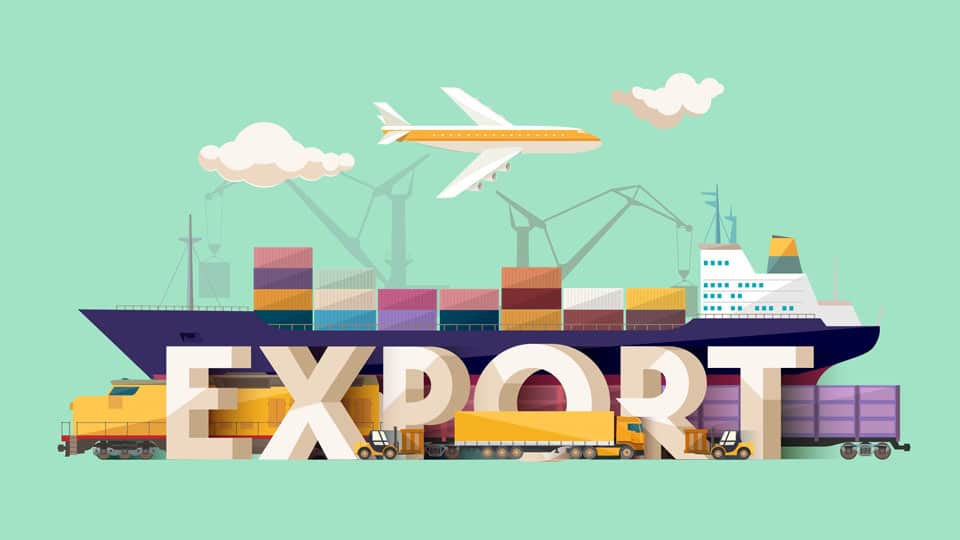
The nation’s Governments, irrespective of which political party or coalition is at the helm, have to address two major problems that fall into the realm of cash needed for meeting public expenditure, one being Current Account Deficit and Fiscal Deficit. The latter deficit is being met by borrowing from various sources, but former deficit has proved to be the Gordian Knot, in the face of the country paying for imports far in excess of earning through exports.