


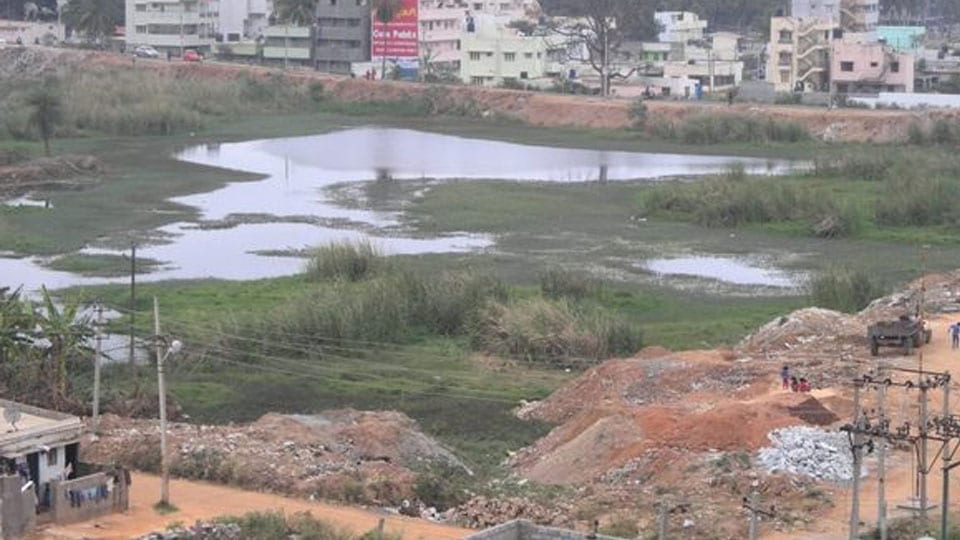
Observing the growing population with unalloyed concern, Thomas Robert Malthus (1766-1834), a British demographer and political economist, opined that the power of population is indefinitely greater than the power in the earth to produce subsistence for human-beings. He also inferred that populations had a tendency to grow until the economically weaker sections suffered hardship, want and greater susceptibility to hunger and disease burden. According to him, the power of land to produce food being limited, the law of diminishing returns operated in the field of agriculture and the operation of this law prevented food production from increasing in proportion to capital invested on land. Given the unabating addition to the population of the country year after year on the cusp of outstripping the production of food, and more importantly the steady shrinking of per capita land for shelter, agriculture, industry, roads, green cover, lung space and basic infrastructure needed for governance, not only money worth of land is sky-rocketing but also the lay people are helplessly witnessing land-grabbing, euphemistically called encroachment all over the country, including the comparatively tranquil Mysuru city. Intermediaries, working with sponsorship of land-grabbers are having a field day, particularly in metropolises such as Bengaluru.
Lake-beds and lands on the fringes of once-lush forests have been encroached upon to the point of no return to their original state until not too long ago. Space alongside the country’s Railway lines, estimated to be a few hundred thousand square kilometres, have been encroached, mostly resulting in unauthorised construction of dwellings.