


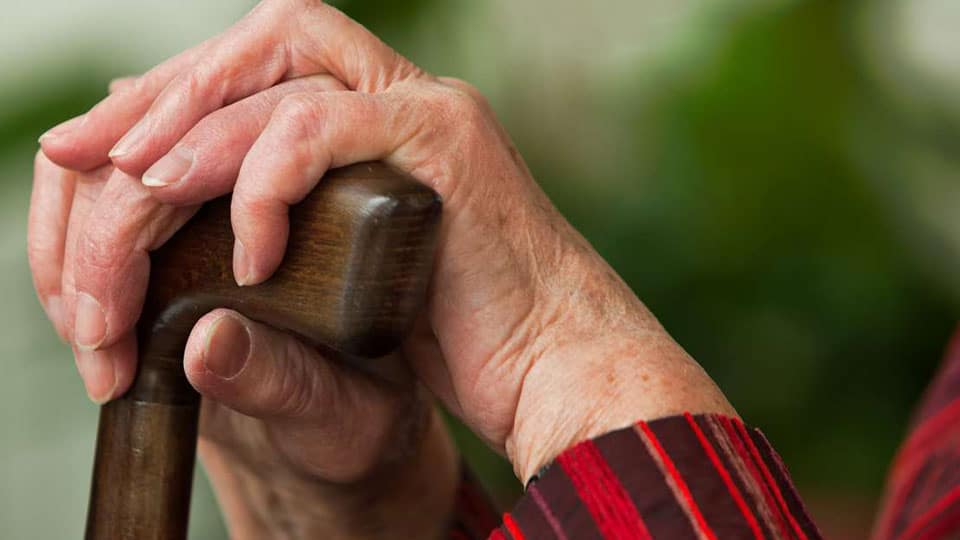
The air in the land is abuzz with people in various circles and varied background bestowing their views on a plethora of problems at which the successive administrations seem to be taking pot-shots, rather than getting into the act of addressing them pro-actively. Even as the country’s economy has tended to be sagging, particularly its slow-down in many key sectors such as manufacturing industries, infrastructure and exports in addition to a steeply rising unemployment rate, many issues concerning the land’s elderly don’t seem to have been bestowed the attention they deserve, both by the administration and the society. The demographic profile of the country is marked by not only a youth bulge (with nearly half the total headcount coming in 15 to 35 years bracket) but also a steadily rising number of elderly (projected to be 20 per cent by the end of next 30 years from the present nearly 10 per cent) on the wrong side of 60 years. Further, the number of very elderly (above 80 years) is also expected to rise to an extent that their total population outnumbers the headcount of many countries across the world many times over. Barring a small fraction of the fraternity of seniors who have the wherewithal to take care of themselves, the rest need to be cared for with empathy both by their kin and civilised society.
The scenario of joint families, particularly in urban space, in which the grandparents were respected, consulted and even cared for with unalloyed love by their progeny, has suffered a time-warp with every sign of worsening as days pass. The outlook to ensuring welfare of the elderly as a duty, on the part of their juniors in age, has taken a battering.