

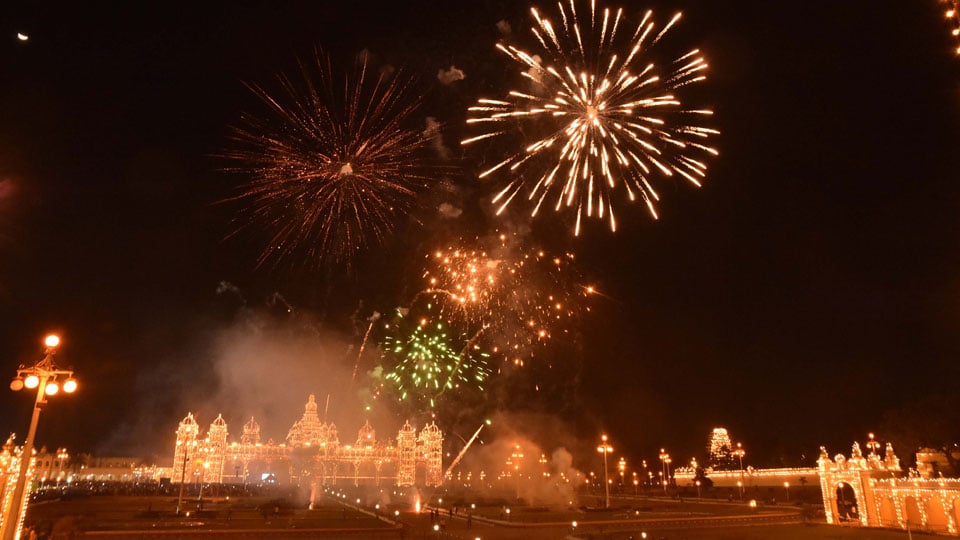
The feature of nearly 140 crore people of India, following diverse faiths, celebrating festivals that have endured for several centuries has no parallel in any other country across the world. Creating a directory, even an encyclopedia, of the innumerable festivals being celebrated with fervour throughout the year that can be envy of the atheists and agnostics, can mean an enormous effort. It shall take a large group of people representing every section in the population marked by faiths, practices, beliefs, languages, ethnicity, regions and so on, not to forget the tribes living in forests as well as hilly spaces away from cities and villages, the last mentioned section accounting for nearly eight percent of the country's population. The sources of information relating to festivals, including those that are not common across the country, such as Ramanavami, Ganesh Chathurthi, Shivarathri, Holi, Deepavali, Ramzan and so on, already traced to published literature, are to be found in the form of palm leaf stocks in many Oriental Libraries, material zealously kept by families of their scholarly ancestors, articles written by the knowledgeable authors in dailies, weeklies and other periodicals, proceedings of conferences, seminars, symposiums and other congregations. Exponents of folklore and scholars who deliver discourses with episodes drawn from the country's epics are also rich sources of information on the land's festivals.
Every festival, apart from offering prayers to specific deities as per rituals and chanting verses composed by spiritually oriented ancestors of a disant past, has its dateline prepared in the form of almanacs that people celebrating the festivals strictly follow. Some may rightly feel that in the midst of high decibel sound that is part of mass celebrations of festivals, the spiritual side has tended to be a casualty.