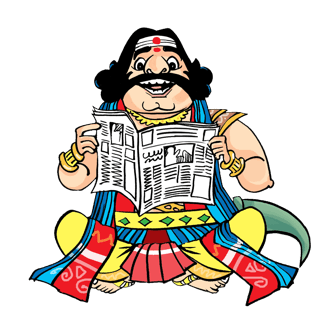



Armed with a dagger (khukri), natives of Nepal, Gurkhas monopolised the sector of Chowkidars in the country until not too long back. They were mostly incognito in city spaces, such as in Mysuru during major part of the day, taking charge of keeping vigil in their defined territories from dusk to dawn. Their current identity has witnessed a change from the earlier Gurkha or Chowkidar to the dull and drab watchman, ubiquitous all over the land, vested with the job of guarding property in its wide range of homes, offices, factories, shops, bank premises, heritage structures and so on. But for their uniform in shades of blue, people at large may not notice them in their assigned location. The nation’s Prime Minister apparently stirred the hornet’s nest as it were recently saying Main bhi chowkidar (I am also a watchman), a declaration that may not have amazed the fraternity watching as they are expected to do, nor amused anyone in their camp. But the lathi-wielding chowkidar evokes images of authoritarian vigilantism, though it may not be proper to stereotype the brigade, required to be on their feet every minute of their duty hours, earning a wage that mocks at the risk they are exposed to at the hands of chors (crooks).
Loyalty to royalty on the part of citizens and unalloyed patriotism towards their respective territories seem to have been suspect from ancient times. If betrayal of these virtues as narrated in the land’s history was averted by vigil of plain-clothes informers, read chowkidars, notorious characters like Mir Sadak and his role in the downfall of Tipu would never have happened.