


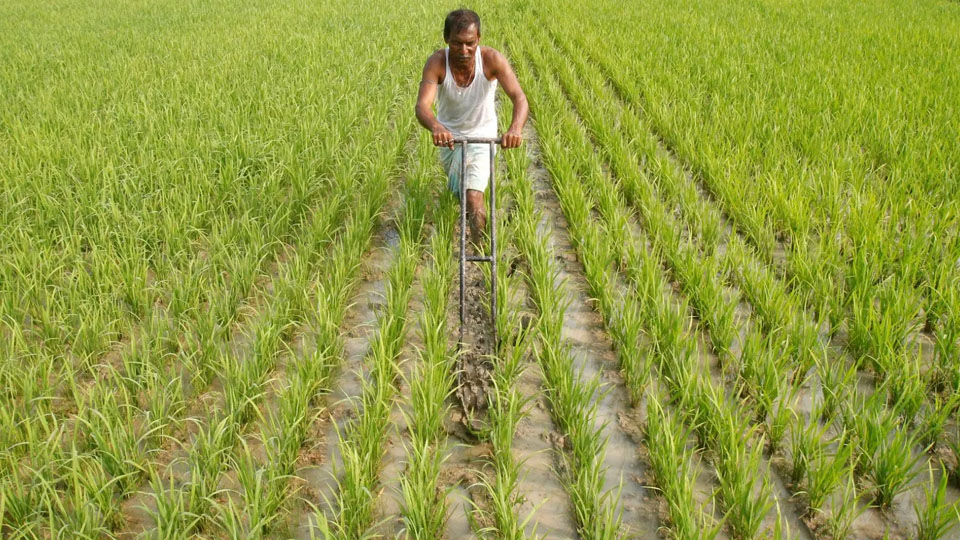
Occasions for celebrating various landmark events on national scale, particularly the country’s Independence Day and Republic Day seem to be the favoured choice of public speakers of different backgrounds in general and netas in particular to unfailingly chant the farmer-centric mantra that the masses sweating and toiling in the field to fill the nation’s food basket are the real backbone of the country. A renowned Kannada poet even typified the farmer as negilayogi (one who symbolises the plough). A former President of India, in a show of sympathetic concern for the rustics, reeling in poverty, ill health, ignorance and debt, prescribed in 2006 providing urban amenities to rural areas as a strategy for rural development in India, which earned the-then-popular-now-forgotten acronym PURA. Some measures were initiated by the government, including formulation of policy guidelines and allocation of funds for generating employment and enhance rural prosperity.
Much water has flowed under the bridge during the past 15 years after action began to provide roads and drinking water in the villages. Given the spread of nearly 6,00,000 villages across the country, the inputs into making most of the villages hospitable, even inhabitable, were far short of the needs to meet the target. If a fraction among the villages have witnessed perceptible change over years, the credit must go to the residents of the respective villages themselves.